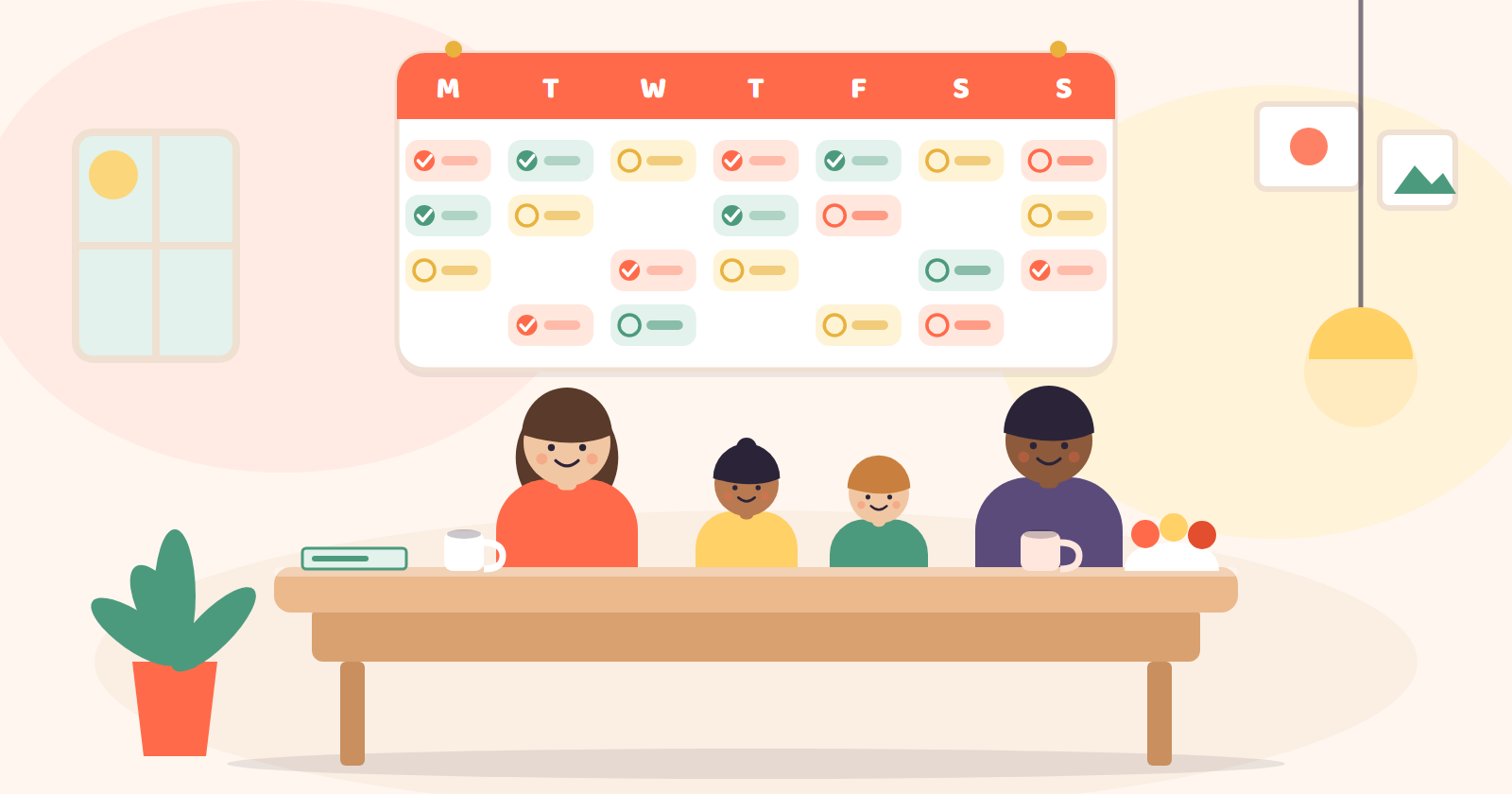
The Best Way to Run a Shared Family Shopping List
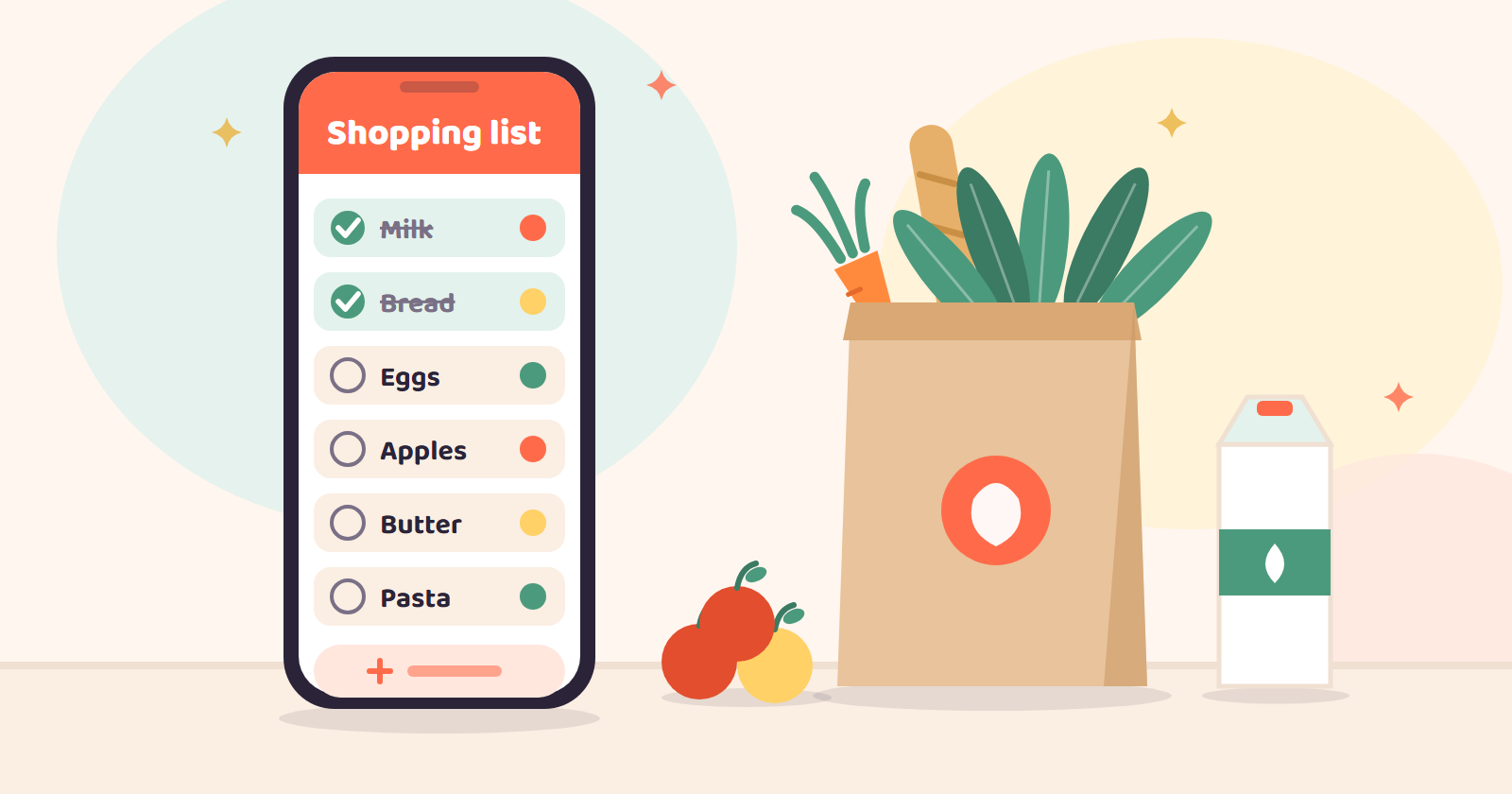
Almost every household has the same shopping-list problems. Someone forgets the list and leaves it on the counter. Two people buy butter on the same day. The milk runs out on a Sunday night because nobody wrote it down. Or the list is buried in a family WhatsApp chat, somewhere above 40 photos of the dog.
The fix is to run one shared list that everyone can add to and check from anywhere. Here is how to set one up so it actually gets used.
Why family shopping lists fall apart
Most lists fail for one of four reasons:
- There are several lists. One on the fridge, one on someone's phone, one in a chat thread. Nothing is ever in the right place.
- Only one person can add to it. If you have to tell the list-keeper what you need, things get missed.
- Nobody knows what has already been bought. Two people shop separately and both come home with bread.
- Items are vague. "Cheese" could mean four different things, and someone will buy the wrong one.
Seven habits of a shopping list that works
1. Keep one list, in one place
Choose one home for the shopping list and make it the only one. That might be a shared app, a whiteboard by the door, or a shared note. Whichever you choose, the rule is that anything you notice you need goes on that list and nowhere else.
2. Let everyone add to it
The best time to add something is the moment you notice it is running low, which is often when you are standing in front of the empty cupboard. So everyone in the household, including older children, should be able to add items from wherever they are.
3. Add items straight away
"I'll remember it later" is how the milk gets forgotten. Get into the habit of adding things the second you use the last of them, or as soon as somebody says "we need more of..."
4. Be specific
Write "semi-skimmed milk, 2 litres" rather than "milk", and "wholemeal sliced bread" rather than "bread". Include a quantity or size where it matters. If there is a brand the family prefers, note it. This means anyone can do the shop without a phone call.
5. Sort the list by aisle or by shop
Most families use more than one shop, such as a big supermarket for the weekly shop, a local shop for top-ups and perhaps a market or butcher. Group the list by shop or by aisle (fruit and veg, dairy, tins, frozen, household). You will spend less time walking back and forth, and you'll be less likely to miss something at the far end of the shop.
6. Tick items off as you go
If the list updates as someone shops, a second person popping to the shop mid-week can see what has already been bought and won't double up. A shared, live list solves the duplicate-butter problem better than anything else.
7. Keep a "usual items" list
Every family buys many of the same things every week or two: milk, bread, eggs, fruit, toilet roll, washing-up liquid. Keep a standing list of these so you can add them in seconds instead of writing them out each time. Do a quick check of the fridge, freezer and cupboards against it before each big shop.
Link the list to your meal plan
A shopping list works best when it grows out of a plan. If you decide on the week's dinners first, you can add exactly the ingredients you need and avoid buying things "just in case." Planning meals also cuts down on midweek panic buying and food waste.
A simple routine:
- Look at the week's diary. Who is in, and who is out?
- Pick your dinners.
- Check what you already have in the fridge and cupboards.
- Add only what is missing to the shopping list.
Plan around how you shop
In the UK many households mix shop types: a supermarket delivery, click and collect, a quick top-up trip. If you order online, remember that delivery and collection slots can fill up, so build the list a day or two ahead and leave a little room for last-minute extras. For top-ups, keep a short separate section for "buy today" items.
A quick-start checklist
Try this to get started:
- Agree on one list and where it lives
- Make sure everyone in the house can add to it
- Add your usual items so you don't retype them each week
- Group the list by shop or aisle
- Decide who is doing the main shop each week
- Tick things off as you buy them
Make it a habit
For the first fortnight, when someone asks "do we need anything?", the answer is always "check the list." After a couple of weeks it becomes automatic, and the shopping gets faster, cheaper and a lot less stressful.
Flupy includes a shared shopping list that everyone in your household can see and add to, alongside a meal planner and a family calendar. You can try it free for 30 days, with no card needed, or see the pricing.