The Babysitter and Grandparent Information Sheet: What to Write Down
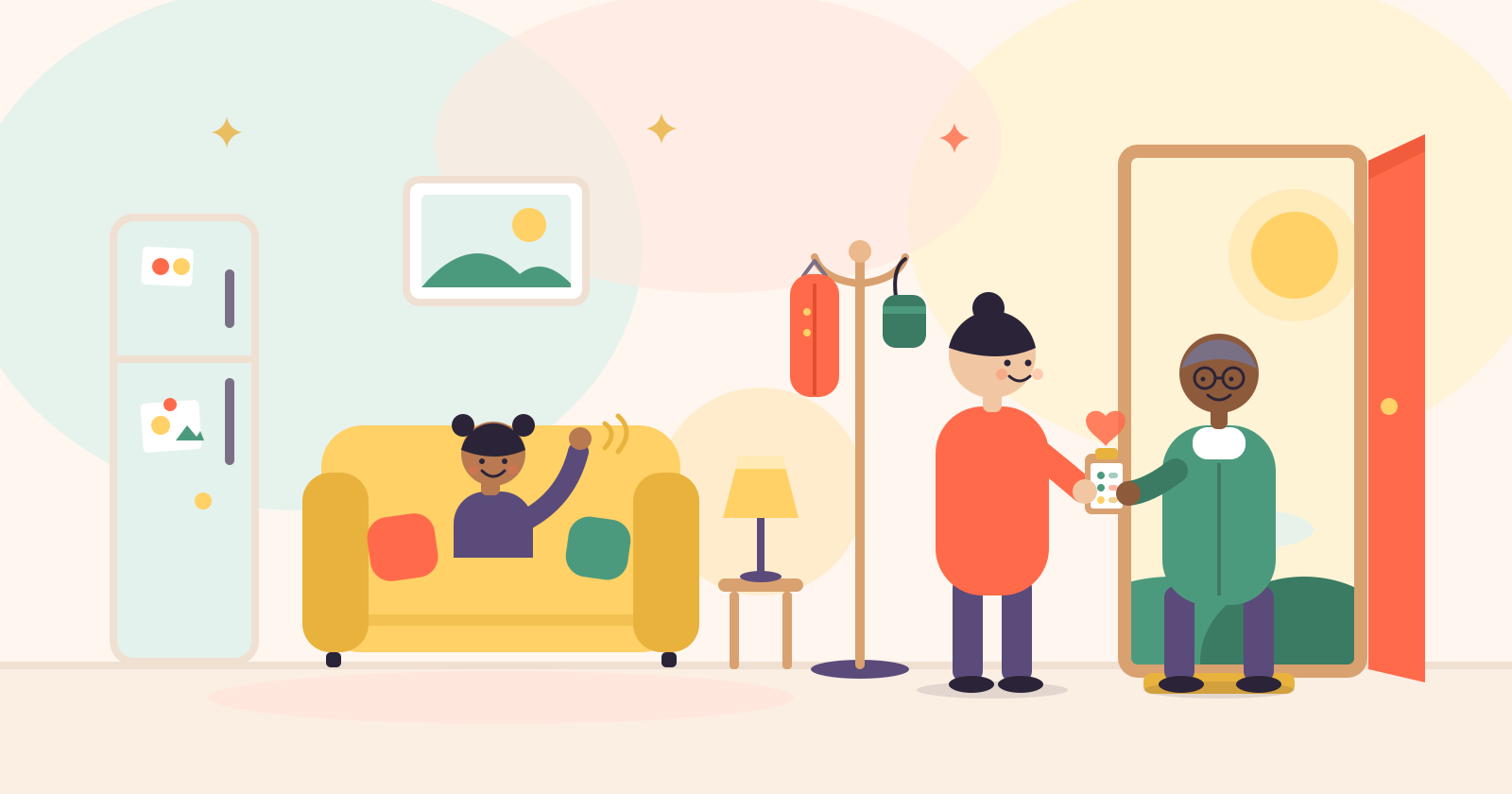
Whoever looks after your children while you are out, whether it is a grandparent on a Saturday or a babysitter on party night, can only work with what you tell them. Most of us rush that conversation at the door, and something important gets missed.
A single page, written calmly beforehand, fixes most of that. It is a big part of keeping children safe with a babysitter or grandparent, and it helps the sitter relax too.
This article gives general information only. It isn't financial, legal or safety advice, and your own circumstances will differ.
Start with the right person, not just the right paper
An information sheet supports good childcare. It does not replace your own judgement about who you leave your children with.
The NSPCC points out that there is no legal age at which a child can be left home alone, but it is against the law to leave a child alone if it puts them at risk. It also says babies and toddlers aged 0 to 3 should never be left alone, even for 15 minutes while you pop down the road. The same page has a section on finding the right babysitter for you and your child, which is worth reading before you book anyone new. It also says there is no legal age for a babysitter, but anyone under 16 is too young to be legally responsible if harm comes to your child, and you are still responsible for their wellbeing.
Once you have chosen someone you trust, the sheet is how you pass on what you know about your child.
What to write on the sheet
Keep it to one page if you can. A long document will not be read at 7pm with a crying toddler. Put the most important things at the top.
Contacts
- Your mobile numbers, and the best order to try them in.
- The address and phone number of where you will be, and roughly when you expect to be back.
- A second adult nearby, such as a neighbour or relative, who knows the sitter is coming.
- Your child's GP surgery and a next of kin.
- The emergency services: 999. The NSPCC advises listing them alongside your own numbers.
Ask the sitter to save your number before you leave, rather than trusting a scrap of paper.
Health: allergies and medication
This is the part to be most careful and specific about.
- List every allergy, what happens if your child has a reaction, and what you want the sitter to do.
- If your child has an adrenaline auto-injector (such as an EpiPen), write down where it is kept and who may use it. The NHS says to call 999 for signs of a serious allergic reaction, such as swelling of the lips, mouth, throat or tongue, or struggling to breathe.
- Note any medication: what it is, what time it is due, how much, and exactly where it is kept. Write the amounts yourself rather than saying "the usual".
- Mention conditions that affect the evening, such as asthma, eczema or a tendency to nosebleeds.
- List foods your child cannot eat, and anything that is a choking worry for their age.
Add a line saying you would rather be rung than have the sitter guess, so they know they have permission to call.
Routines
Children often settle more easily when the evening feels familiar. Cover:
- Tea time and what is on offer.
- Bath, pyjamas and teeth.
- Bedtime, the story or song, and the comfort toy that must be in the cot.
- Night lights, doors open or closed, and what to do if they wake.
- How they like to settle, and what to try if they won't.
House rules
Write down what you would be quietly worrying about otherwise:
- Who may come to the door, and who may not. A simple rule is that nobody is let in unless you have told the sitter first.
- Screen time and which programmes or games are fine.
- Snacks, sweets and drinks after teeth.
- Whether photos of the children may be shared online.
- Whether the sitter's friends or partner may visit.
Where things are
- Wifi name and password.
- Heating controls and how to work the TV.
- Torch, first aid kit and spare batteries.
- Where the spare key is kept, if you leave one.
- Anything tricky, such as a stiff back door or a noisy boiler.
If you have pets, add feeding times and whether they are allowed on the furniture.
Grandparents need a slightly different sheet
A grandparent already knows your child, so you can skip the basics. But things change between generations, and your child's habits may not match what they remember.
A good starting principle for grandparents is to ask the parent what help they would welcome, rather than assuming.
If you have a very young baby, talk through feeding together in person instead of leaving a note. Then write down whatever you agree.
For grandparents, it helps to add:
- Anything that has changed since they last looked after your child, such as food routines or sleep habits.
- Which of your rules matter most. Pick two or three, not twenty.
- Where the car seat is and who is fitting it, if they are driving your child anywhere.
A five-minute run-through before you leave
- Hand over the sheet and read the health section aloud together.
- Show them where the medication and any allergy information are kept.
- Check they have your number, and ring it once so you have theirs.
- Walk them round the house for thirty seconds: bathroom, kitchen, the child's room.
- Tell the children who is coming and what the evening looks like, so there are no surprises.
If the sitter will also be around the next morning, such as a grandparent staying over, a shared family calendar can show the plans for the day in one place.
Keep a master copy and update it
Save the sheet as a document you can reprint. Check it every few months, and again before any big occasion, because phone numbers, medication and bedtimes all change.
Do not leave it on display with every detail for visitors to see. A sheet with your address, routines and the times you are out is for the person you have chosen, not for everyone who passes through the kitchen.
How Flupy can help
Flupy has a Contacts and Emergency Info module for your GP, next of kin and other contacts, with a limited emergency-only view for someone who needs just that.
Guest and Vendor Access lets you share limited information, such as the wifi password or bin day, through a private link, without giving the person a household login.
Further reading
- NSPCC: Leaving your child home alone: advice on leaving children alone, the law, and finding the right babysitter.
- NHS: Allergies: signs of a serious allergic reaction and when to call 999.
Ready to keep your contacts and household details in one shared place? You can try Flupy free for 30 days or see the pricing.