Chore Charts by Age: What Children Can Do at Home, and Pocket Money

Getting children to help around the house is less about nagging and more about matching the job to the child. Ask a four year old to hoover the stairs and you will both end up frustrated. Ask them to feed the cat and they will feel useful straight away. A chore chart by age takes the guesswork out of it, so everyone knows what is realistic and fair.
This post sets out age bands with real jobs, how to rotate chores so nobody gets stuck with the bins forever, and an honest look at the pocket money question, because there is no single right answer.
A chore chart by age
These bands are a guide, not a test. Every child develops at their own pace, so use judgement and adjust up or down.
Ages 2 to 3
- Put toys in a toy box
- Stack books on a shelf
- Place dirty clothes in the laundry basket
- Throw rubbish away
Ages 4 to 5
- Feed pets
- Wipe up spills
- Make the bed
- Water indoor plants
- Prepare simple snacks
- Dry and put away dishes
Ages 6 to 7
- Gather rubbish
- Fold towels
- Mop floors
- Empty the dishwasher
- Match clean socks
- Peel potatoes and carrots
Ages 8 to 9
- Load the dishwasher
- Put on a wash
- Hang or fold clean clothes
- Dust furniture
- Put groceries away
- Walk the dog
Ages 10 to 11
- Clean bathrooms
- Vacuum carpets
- Hang out washing
- Prepare a simple meal
- Bring in the mail
Ages 12 and up
- Wash or vacuum the car
- Mow the lawn
- Shop for groceries with a list
- Cook a complete dinner
- Do simple home repairs
- Wash windows
- Iron clothes
This list comes from an NHS occupational therapy advice sheet on age appropriate chores, and it is a useful starting point precisely because it is written by people who think about what children can safely and confidently manage at each stage, not what looks good on a chart.
A few things worth remembering. New chores need to be taught alongside a child at first, not simply assigned. Show them, do it together a few times, then step back. And safety comes first, especially with anything involving kitchen equipment, cleaning products or stairs.
Rotating chores so it stays fair
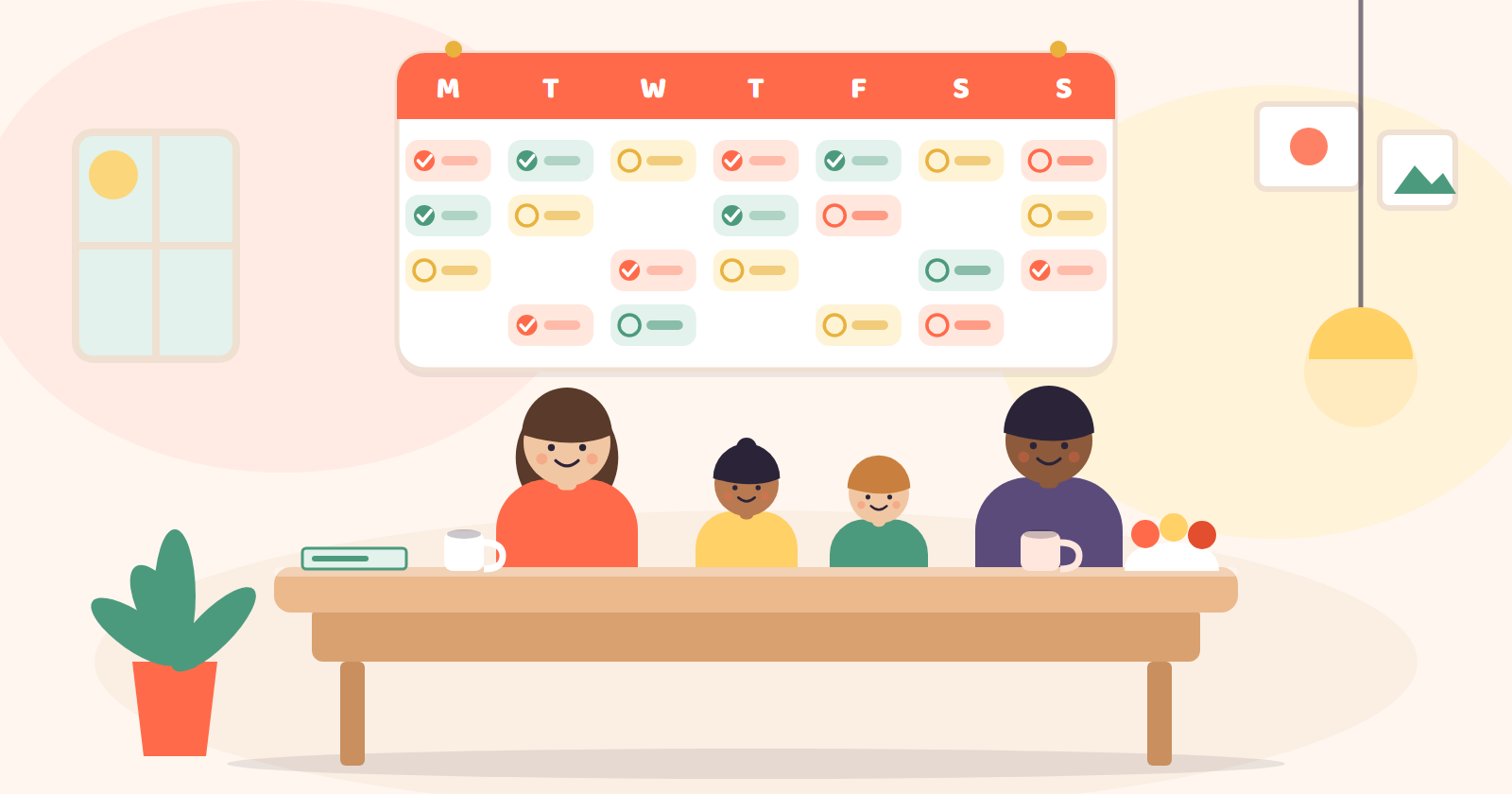
Sticking to a rigid rota where one child always does the washing up and another always tidies the lounge tends to breed resentment. Rotating jobs weekly, or whenever feels natural in your house, keeps things fresher and stops any one chore feeling like a life sentence.
A simple approach:
- List the chores that suit your household's age range.
- Assign them for the week.
- Swap them round the following week, so everyone gets a turn at the easier and the less popular jobs.
- Keep the list visible so nobody can claim they forgot.
Little and often beats a big weekend blitz. Cleaning experts consulted by Which? recommend a "clean little and often" approach to stop mess building up and to save you reaching for stronger products later. The same idea works well for children's chores: short, regular tasks are far easier to stick with than an occasional marathon tidy up.
Keep it positive rather than a chore in the negative sense. Praise effort, not just results, and avoid turning it into a battle. If a child is struggling with a new task, breaking it into smaller steps and doing the first few together, then handing over the last step once they've got it, tends to work better than expecting them to manage the whole thing alone from day one.
Pocket money: linked to chores, or not?
This is the question every family answers differently, and there is no single correct approach.
The case for linking chores to pocket money is that it teaches children that money is earned, mirrors the world of work, and gives an obvious reason to keep at a task when motivation dips.
The case against is that some chores, like tidying your own room or helping with family jobs, are simply part of belonging to a household, not a transaction. Tying every task to a payment can also mean a child refuses to help unless money is on the table, which is the opposite of what most parents want to teach.
A middle path many families use: everyday chores are just part of being in the household, with no payment attached, while a short list of extra jobs, like washing the car or a big garden tidy, can be paid separately as one-off tasks. That way nobody feels underpaid for ordinary life, but there is still a way to earn a bit extra.
Whichever way you go, being consistent matters more than which system you pick. Children cope well with clear, predictable rules, even if those rules differ from their friend's house.
How Flupy can help
If keeping track of who is doing what feels like its own chore, Flupy's Todo & Chores module gives your household a single shared list everyone can see. Mark a chore as repeating weekly or monthly so it's clear what's expected, and assign it to whoever's turn it is this week — no more "I didn't know it was my turn" conversations.
Further reading
- Age Appropriate Chores for Children, NHS Tayside: an occupational therapy advice sheet setting out realistic chores by age band.
- Simple ways to help with household chores you hate, Which?: practical tips from cleaning professionals, including the "little and often" approach.
If you want to see how a shared chore list works in practice, you can try Flupy free for 30 days or see the pricing to find the right plan for your household.