October Half-Term Planner: A Simple Schedule and Budget for the Week Off
Half-term always seems to arrive faster than you expect. One week you're settling into a school routine, and the next you're staring at an empty week with no childcare sorted and no idea what you're doing with the children for five days straight.
A half term planner does not need to be complicated. It just needs to cover four things: when the break actually is, who is looking after the children, what you are going to do, and how much it will cost. Sort those out early and the week off feels a lot calmer.
Start by checking the actual dates
Half-term dates are not the same everywhere. They are set locally rather than nationally, and they can differ between councils and between England, Wales, Scotland and Northern Ireland. The safest way to find your dates is to check your child's school directly or look up your local council's website, since school term and holiday dates vary across the UK.
Don't rely on what a neighbouring school or a friend in another area is doing. If you have children at more than one school, or a childminder or after-school club with its own schedule, check each one separately. Once you have the real dates, put them straight into your household calendar so everyone can see them, not just the person who found them out.
Sort childcare and work cover early
If both parents work, or you're managing childcare on your own, this is the bit worth doing first. Half-term clubs, grandparents and favourite babysitters can get booked up early, so it helps to ask as soon as your dates are confirmed.
Work out, day by day, who is covering what. Some families split the week between two working parents taking half-term leave, others lean on grandparents for two or three days and book a holiday club for the rest. Whatever the mix, write it down somewhere the whole household can see, not just in one person's head.
This is exactly the kind of invisible planning that tends to land on one person by default. If that sounds familiar, it's worth reading our post on sharing the mental load at home for ways to spread this sort of organising more evenly.
Cheap and free things to do
You don't need an expensive day out every day of half-term. A mix of free local activities, one bigger outing and some proper downtime at home usually works better than a packed schedule anyway.
Some starting points:
- Check what your library is running. Many host free half-term sessions such as craft afternoons or reading events.
- Look at local parks, woods and nature reserves for free walks, den building or leaf collecting.
- Ask your council or children's centre about local holiday clubs. In England, the Holiday Activities and Food programme provides free holiday clubs and meals for children who get benefits-related free school meals. It mainly runs at Easter, summer and Christmas, but some councils also offer sessions at half-term, so it is worth asking what is on near you.
- Save one paid activity, such as the cinema or a soft play centre, as the highlight rather than trying to fill every day.
- Swap play dates with another family for a day so the children have company and you get a few hours back.
Spreading activities across the week, rather than front-loading them, also helps avoid the mid-week slump where everyone is tired and bored at the same time.
Set a small budget for the week
Half-term can quietly cost more than people expect, once you add up extra snacks, days out, childcare cover and the inevitable "can we just get this" moment in a gift shop. Deciding on a rough figure before the week starts makes it much easier to say yes or no on the day.
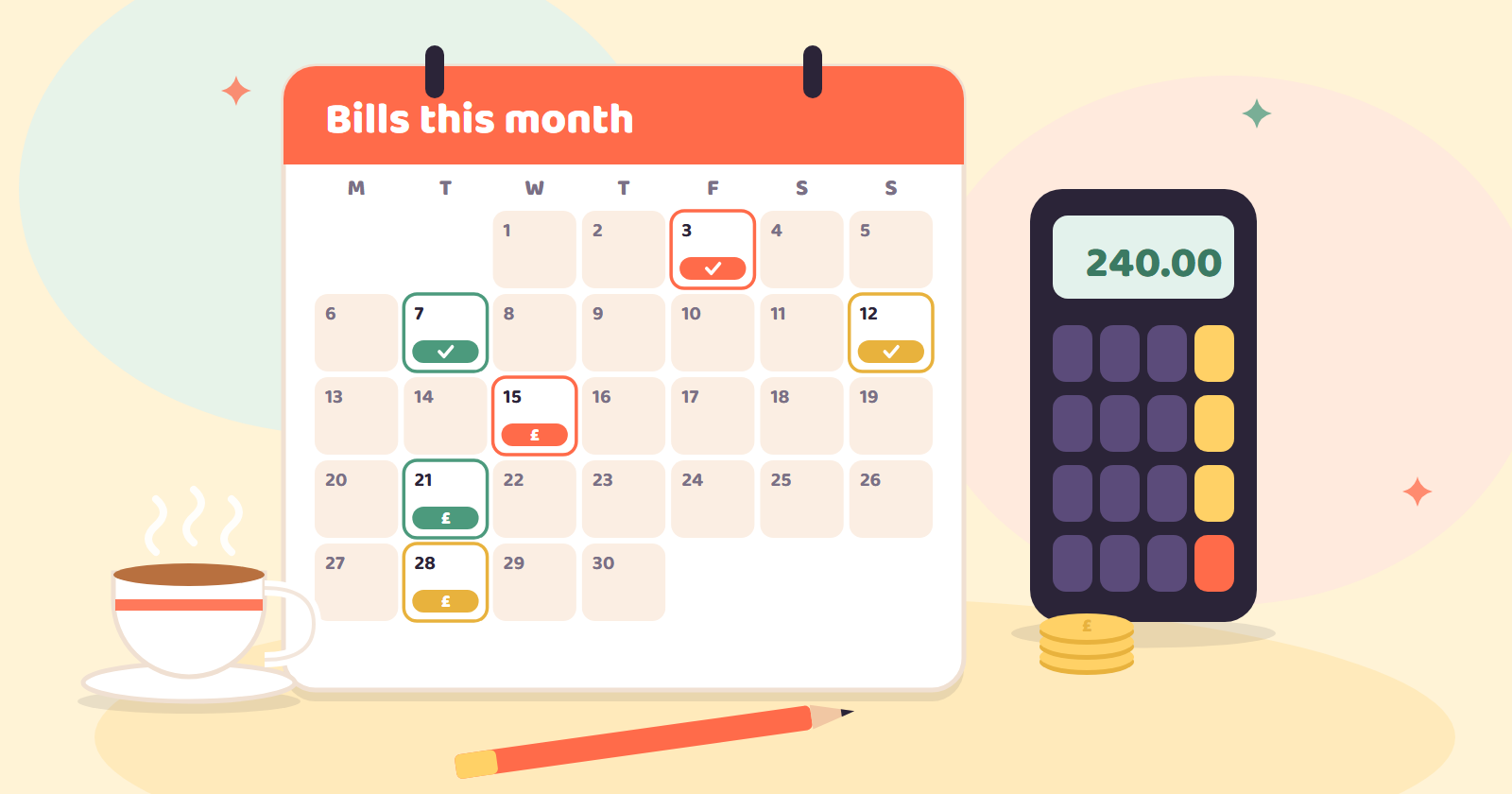
Citizens Advice suggests working from your actual bank statements, payslips and receipts rather than guessing, so you get a realistic picture of what you're spending and where you might be able to cut back. You don't need anything elaborate for half-term. A simple total for the week, split roughly across activities, food and any extra childcare, is enough.
Write the figure down somewhere visible, and check in on it partway through the week. It's much easier to adjust plans on Wednesday than to realise on Friday that you've overspent.
Keep a loose routine
Children (and adults) tend to cope better with a break from school if there's still some shape to the day. You don't need to recreate term-time timetables, but keeping roughly the same wake-up time, meal times and bedtime often helps everyone settle back into school more easily afterwards.
A loose routine also makes the week easier to plan around. If you know mornings are free but afternoons involve pickups or activities, you can slot in jobs, work calls or your own downtime with a bit more confidence.
How Flupy can help
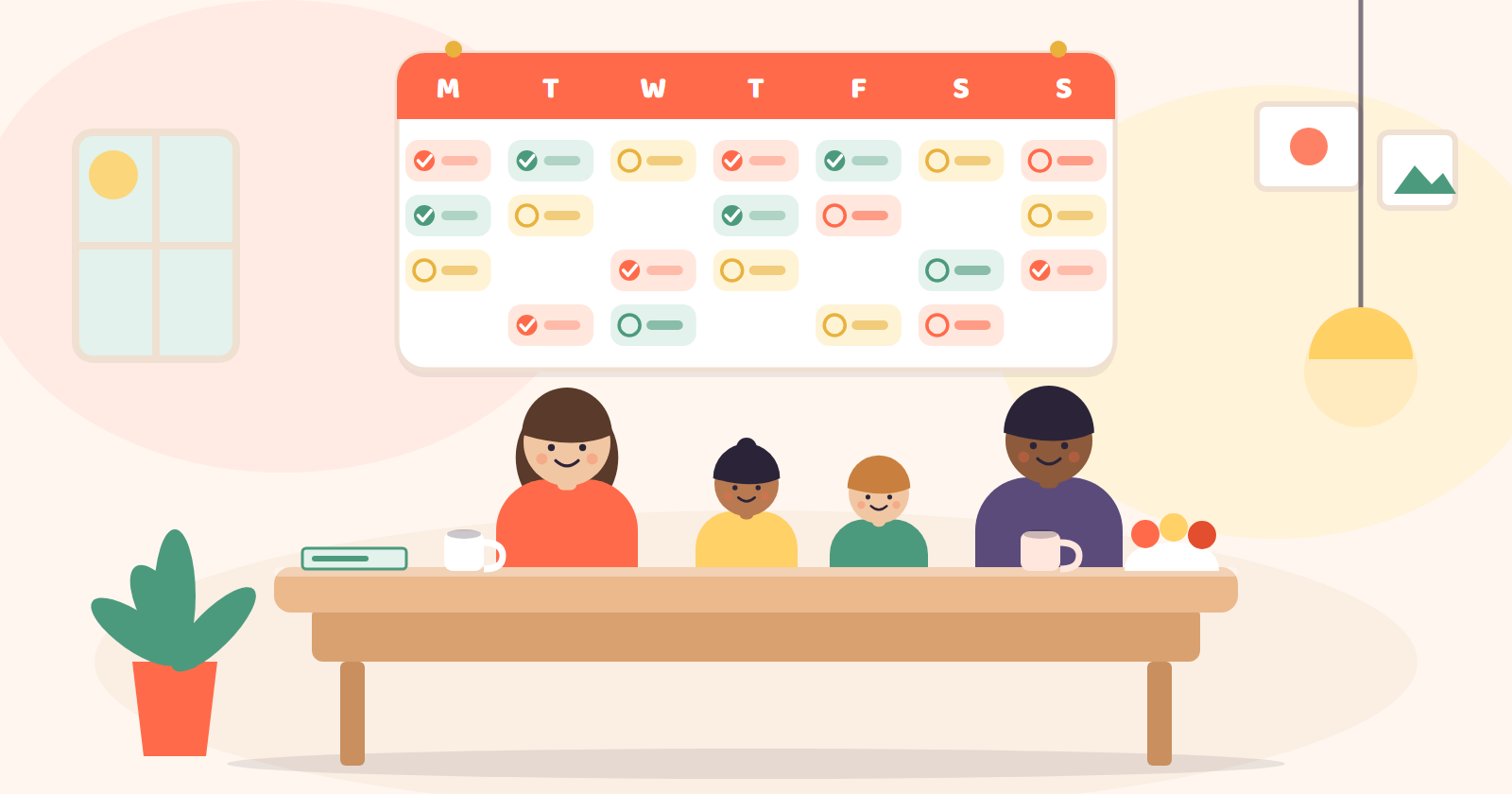
If you're juggling several children's schedules, work cover and a budget all at once, having it all in one place helps. Flupy's Family Calendar gives your household one shared view of half-term plans, so it is easy to see who's doing what and when, rather than relying on one person to remember it all.
The Household Budget feature lets you log half-term spending by hand as it happens, so you can see where the money has actually gone rather than guessing after the fact.
Whether or not you use an app for it, the principle is the same: write the plan and the budget down somewhere shared, before the week begins rather than during it.
Further reading
- School term and holiday dates, GOV.UK: covers England and Wales (with pointers for Scotland and Northern Ireland), says term and half-term dates vary across the UK, and sends you to your local council's website for your dates.
- Work out your budget, Citizens Advice: practical guidance on using real statements and receipts to build an accurate budget.
- Holiday activities and food programme 2026 to 2027, GOV.UK: explains the free holiday clubs and meals in England for children who get benefits-related free school meals, and when they run.
If you want to try planning half-term this way, you can try Flupy free for 30 days or see the pricing to find the plan that suits your household.